Introduction: Understanding XCMG Excavators in the Global Construction Equipment Market
Excavators are essential pieces of heavy machinery in modern construction, infrastructure development, mining, and earthmoving projects. As global demand for construction equipment continues to grow, contractors, equipment distributors, and machinery importers are increasingly looking for reliable excavators that offer strong performance, operational flexibility, and reasonable ownership costs.
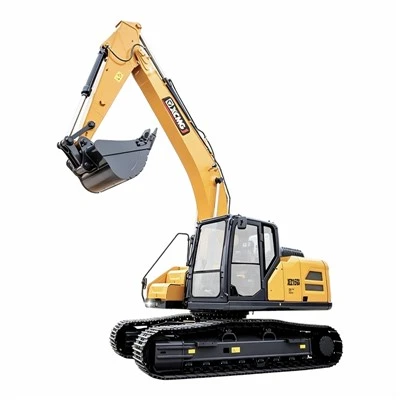
Among the manufacturers in the global construction machinery industry, XCMG has established a significant presence with a broad portfolio of construction equipment, including hydraulic excavators designed for different operating environments and project requirements. An XCMG Excavator can serve various applications, ranging from small-scale landscaping and municipal construction to large-scale mining and infrastructure development.
For international buyers, selecting the right excavator involves more than comparing purchase prices. Factors such as operating weight, engine power, hydraulic performance, bucket capacity, fuel consumption, maintenance requirements, and spare parts availability all influence long-term equipment value.
This guide explores the main types of XCMG excavators, their technical features, practical applications, and important considerations for wholesale sourcing. Whether you are a construction equipment dealer, importer, contractor, or machinery distributor, understanding these factors can help you make more informed purchasing decisions.
1. Overview of XCMG Excavators and Their Key Advantages
What Is an XCMG Excavator?
An XCMG excavator is a type of hydraulic construction machine manufactured by XCMG, a Chinese construction machinery manufacturer. These machines are designed to perform essential earthmoving operations, including digging, trenching, lifting, loading, grading, and material handling.
A typical hydraulic excavator consists of several major components:
Undercarriage: Provides machine support, stability, and mobility. Depending on the model, it may use crawler tracks or wheels.
Upper structure: Houses the engine, hydraulic system, operator cabin, and other major components.
Boom and arm: Provide the reach and movement required for excavation and material handling.
Bucket: Performs digging and loading operations.
Hydraulic system: Transfers power to the boom, arm, bucket, and travel mechanisms.
Engine: Supplies the power required to operate the machine.
Different XCMG excavator models are developed to accommodate different working conditions, productivity requirements, and customer budgets.
Key Features of XCMG Excavators
When evaluating XCMG Excavators, buyers should understand the main technical and operational features that influence equipment performance.
Hydraulic Operating Systems
The hydraulic system is one of the most important parts of an excavator. It controls the movement of the boom, arm, bucket, and travel system. Hydraulic efficiency directly affects digging force, operating speed, and overall productivity.
Engine Performance and Fuel Efficiency
Engine power determines the machine's ability to handle different workloads. Efficient power management can help reduce fuel consumption while maintaining consistent operating performance.
Durable Structural Components
The boom, arm, frame, and undercarriage must withstand repeated heavy-duty operations. Structural strength is particularly important for machines working in mining, quarrying, and demanding construction environments.
Operator Comfort and Safety
Modern excavators commonly incorporate ergonomic cabins, adjustable seating, clear instrument displays, and convenient control systems. These features can improve operator comfort and support more efficient daily operations.
Maintenance Accessibility
Accessible service points and replaceable filters can simplify routine maintenance. For fleet operators and equipment rental companies, maintenance convenience is an important consideration when evaluating long-term ownership costs.
Advantages of Choosing XCMG Excavators
XCMG excavators offer several considerations that may appeal to international construction equipment buyers.
Multiple equipment categories: Buyers can evaluate different machine sizes and configurations according to their project requirements.
Versatile applications: Excavators can be used in construction, road building, mining, agriculture, and municipal engineering.
Configuration flexibility: Different buckets and attachments can support specialized working tasks.
Competitive purchasing options: Buyers can compare different models and configurations to identify suitable equipment within their budgets.
Parts and service considerations: Availability of replacement components, technical documentation, and local service support can help improve equipment uptime.
The actual benefits depend on the selected model, machine configuration, operating environment, and availability of local support.
2. Different Types of XCMG Excavators and Their Applications
Choosing the appropriate excavator type is essential for achieving efficient project performance. XCMG offers excavator options across different operating weight categories and configurations. Buyers should evaluate the intended application rather than selecting equipment based on size alone.
Mini and Small XCMG Excavators
Mini and small excavators are designed for projects where compact dimensions and maneuverability are important.
Typical applications include:
Residential construction and renovation.
Landscaping and garden development.
Underground utility installation.
Small drainage and trenching projects.
Municipal maintenance.
Agricultural land improvement.
Their compact structure makes them suitable for restricted working environments, including narrow streets, residential properties, and small construction sites.
For rental companies and small contractors, mini XCMG excavators can provide practical flexibility because they are easier to transport and can perform various light-duty excavation tasks.
When purchasing this category, buyers should compare digging depth, operating weight, bucket capacity, tail swing configuration, and transportation dimensions.
Medium-Sized XCMG Excavators
Medium-sized excavators are widely used in general construction because they balance operating capacity, mobility, and versatility.
Common applications include:
Road and highway construction.
Commercial building projects.
Foundation excavation.
Pipeline installation.
Land development.
General earthmoving and material loading.
Compared with smaller machines, medium-sized excavators generally offer greater digging capability and can handle more demanding workloads.
They are particularly suitable for contractors managing different types of construction projects. Before purchasing, buyers should consider engine output, hydraulic performance, digging force, bucket capacity, and operating weight.
Large and Heavy-Duty XCMG Excavators
Large excavators are designed for demanding projects that require substantial digging capacity and continuous heavy-duty operation.
Typical applications include:
Open-pit mining.
Large-scale infrastructure construction.
Quarry operations.
Major earthmoving projects.
Industrial site development.
Large-volume material handling.
These machines generally feature higher operating weights, larger working capacities, and more powerful hydraulic systems than compact models.
However, large excavators also require more careful transportation planning, site preparation, and maintenance management.
Wholesale buyers should pay particular attention to undercarriage durability, engine specifications, hydraulic system performance, fuel consumption, and the availability of specialized replacement parts.
Crawler and Wheeled XCMG Excavators
Excavators can also be classified according to their undercarriage structure.
Crawler Excavators
Crawler excavators use tracked undercarriages to distribute machine weight across a larger contact area.
Their advantages include:
Better traction on uneven terrain.
Improved stability during excavation.
Suitability for muddy and soft ground.
Practical performance on demanding construction sites.
Crawler excavators are commonly used in mining, road construction, large earthmoving projects, and areas with challenging ground conditions.
Wheeled Excavators
Wheeled excavators use tires instead of tracks and are designed for environments where mobility between work locations is important.
Their advantages include:
Easier movement on paved roads, subject to local regulations.
Greater mobility between nearby construction sites.
Practical use in municipal engineering.
Reduced need for specialized transportation for certain movements.
When choosing between crawler and wheeled XCMG excavators, buyers should consider terrain, transportation distance, site conditions, and local operating regulations.
Specialized XCMG Excavator Configurations
Some construction projects require specialized excavator configurations to complete specific tasks.
Common examples include:
Long-reach excavators: Designed for extended digging distances, deep excavation, and certain dredging operations.
Demolition excavators: Configured for structural demolition and material removal.
Hydraulic breaker configurations: Used for breaking concrete, rock, and other hard materials.
Grapple configurations: Suitable for handling irregular materials and demolition debris.
Specialized bucket configurations: Designed for different soil conditions and material types.
Buyers should confirm that attachments are compatible with the excavator's hydraulic flow, operating pressure, weight limits, and mounting system before placing an order.
3. Important Technical Specifications and Features to Evaluate
Technical specifications provide an objective basis for comparing different XCMG excavator models. Understanding these parameters helps buyers select machinery that matches project requirements and operating conditions.
Operating Weight and Machine Dimensions
Operating weight affects machine stability, ground pressure, transportation requirements, and overall working capacity.
A heavier excavator may offer greater stability and support demanding excavation tasks. However, a larger machine may also require additional transportation arrangements and a more substantial working area.
Important parameters include:
Operating weight.
Overall length and width.
Overall transportation height.
Ground clearance.
Track width or wheel configuration.
Tail swing radius.
International buyers should check transportation regulations in their destination markets, particularly when importing large construction machinery.
Engine Power and Fuel Consumption
Engine performance directly influences an excavator's ability to handle different workloads.
When evaluating XCMG Excavator specifications, buyers should examine:
Rated engine power.
Engine manufacturer and model.
Rated operating speed.
Fuel consumption under different workloads.
Emission certification.
Fuel compatibility and service requirements.
Fuel efficiency is especially important for contractors operating machinery for extended periods.
An excavator with suitable engine output and efficient power management can help reduce operating expenses over its service life.
Buyers should also verify whether the engine meets the emissions standards required in the destination country. Requirements can differ significantly between markets.
Hydraulic System and Digging Performance
The hydraulic system determines how effectively an excavator converts engine power into digging and operating force.
Key specifications include:
Main hydraulic pump capacity.
Hydraulic system pressure.
Maximum digging force.
Bucket digging force.
Arm digging force.
Swing speed.
Travel speed.
Bucket capacity is another important factor because it influences how much material can be handled during each digging cycle.
For example, mining and large-scale earthmoving projects may require larger buckets and higher digging forces, while smaller construction projects may prioritize precise control and maneuverability.
Selecting a suitable hydraulic configuration can improve working efficiency and reduce unnecessary equipment strain.
Operating Comfort and Intelligent Control Systems
Operator comfort is closely connected to productivity, especially during long working shifts.
Features worth evaluating include:
Ergonomic control layouts.
Adjustable operator seating.
Air conditioning and ventilation.
Cabin visibility.
Instrument displays.
Monitoring and diagnostic functions.
Safety alarms and protective structures.
Depending on the model and configuration, some excavators may also offer intelligent monitoring systems that help operators and fleet managers track equipment conditions and maintenance information.
Buyers should verify which features are standard and which require additional configuration.
Maintenance Requirements and Spare Parts Compatibility
Maintenance planning is essential for controlling equipment lifecycle costs.
Important components requiring regular inspection include:
Engine oil and filters.
Hydraulic oil and hydraulic filters.
Cooling systems.
Fuel systems.
Track chains and rollers.
Bucket teeth and cutting edges.
Hydraulic hoses and cylinders.
The availability of genuine or compatible XCMG Excavator Parts is also an important consideration.
Before purchasing, international buyers should ask suppliers about replacement part availability, parts catalogs, maintenance schedules, and technical support.
A reliable spare parts supply can reduce unexpected downtime and help construction companies maintain project schedules.
4. How to Choose the Right XCMG Excavator for Different Projects
Selecting an appropriate excavator requires a clear understanding of project conditions, workload, equipment capabilities, and long-term operating expenses.
Match Excavator Size to Project Requirements
The first step is identifying the actual workload.
Buyers should consider:
Required excavation depth.
Maximum working radius.
Material type and density.
Expected daily excavation volume.
Project duration.
Required loading and lifting capacity.
For example, a small residential construction project may only require a compact excavator, while a large mining operation may need heavy-duty machinery with greater digging capacity.
Choosing an oversized machine can increase fuel and transportation costs, while an undersized excavator may reduce productivity.
Consider Job-Site Conditions and Working Environments
Different job sites create different operating challenges.
Before selecting an XCMG Excavator, evaluate the following factors:
Ground Conditions: Soft soil, rocky surfaces, muddy terrain, and uneven ground may require different undercarriage configurations.
Working Space: Restricted areas may require compact machines or reduced tail swing configurations.
Climate Conditions: Extreme heat, cold, humidity, and dust can affect engine performance, hydraulic systems, and maintenance intervals.
Transportation Requirements: Equipment moving between multiple sites may require different mobility and transportation arrangements.
Matching machine specifications to the working environment helps improve operational efficiency and equipment reliability.
Evaluate Attachments and Equipment Configurations
Attachments can expand the functions of an excavator and improve its versatility.
Common options include:
General-purpose digging buckets.
Heavy-duty buckets.
Hydraulic breakers.
Grapples.
Rippers.
Specialized trenching buckets.
For wholesale buyers, purchasing suitable attachments together with the excavator may simplify procurement and help ensure compatibility.
However, it is important to confirm attachment dimensions, hydraulic connections, flow requirements, and operating limits before ordering.
Compare Total Cost of Ownership
The purchase price is only one part of the overall investment.
A more effective purchasing decision considers the total cost of ownership (TCO), which includes:
Initial equipment purchase price.
International transportation and insurance.
Import duties, taxes, and customs charges.
Fuel and lubricant consumption.
Routine servicing and maintenance.
Replacement parts and repair expenses.
Operator training and labor costs.
Equipment depreciation and resale value.
Comparing these expenses across different models can help buyers understand the actual long-term cost of operating an excavator.
For construction companies and rental businesses, equipment utilization and maintenance downtime should also be considered when calculating investment returns.
Verify Equipment Quality and Supplier Reliability
Equipment quality verification is particularly important when purchasing machinery from international suppliers.
Before confirming an order, buyers should:
Check the machine identification number and manufacturing information.
Confirm the model and configuration against the quotation.
Request detailed technical specifications.
Review inspection and maintenance records when applicable.
Inspect the engine, hydraulic system, undercarriage, and structural components.
Confirm warranty coverage.
Verify the availability of spare parts and technical assistance.
For used equipment, additional attention should be given to operating hours, service history, signs of structural damage, hydraulic leakage, and the condition of major components.
5. Wholesale Sourcing of XCMG Excavators for Global Buyers
Wholesale sourcing requires more than identifying a competitive supplier. Buyers must also consider equipment authenticity, product condition, documentation, logistics, import regulations, and after-sales support.
Where to Source XCMG Excavators
International buyers can explore several sourcing channels.
Official Manufacturer Channels
Purchasing through official manufacturer channels or authorized dealers can help buyers verify product information, obtain appropriate documentation, and access manufacturer-supported services.
Professional Construction Machinery Exporters
Specialized exporters may provide assistance with equipment selection, export documentation, shipping arrangements, and international delivery.
International B2B Platforms
B2B marketplaces allow buyers to compare different suppliers, review product listings, and request quotations.
However, buyers should independently verify supplier qualifications, product information, and transaction terms before making payments.
Construction Equipment Wholesalers and Distributors
Established machinery wholesalers may offer different equipment configurations, replacement parts, and procurement support for regional markets.
The best sourcing channel depends on purchase volume, destination market, product requirements, and the level of technical support needed.
New vs. Used XCMG Excavators: Which Is Better for Wholesale Buyers?
Both new and used excavators can be suitable investments depending on the buyer's budget and operational requirements.
New XCMG Excavators
Advantages include:
New machine condition.
More predictable maintenance requirements.
Access to applicable manufacturer warranties.
Clearer equipment history.
Greater opportunities to specify configurations.
New excavators are often preferred by construction companies, equipment distributors, and buyers planning long-term fleet operations.
Used XCMG Excavators
Advantages may include:
Lower initial purchase costs.
Potentially faster access to certain equipment categories.
Suitable options for budget-conscious contractors.
Practical solutions for short-term projects.
However, used machinery requires careful inspection.
Buyers should evaluate:
Actual operating hours.
Engine performance.
Hydraulic system condition.
Undercarriage wear.
Boom and arm condition.
Maintenance and repair records.
Previous operating environment.
For wholesale transactions, independent inspections and clear descriptions of machine condition can help reduce purchasing risks.
Essential Documents for International Excavator Purchasing
Proper documentation helps ensure smoother international trade and customs clearance.
Depending on the destination country and transaction structure, relevant documents may include:
Commercial invoice.
Packing list.
Sales contract.
Certificate of origin, where applicable.
Bill of lading.
Export customs declaration.
Equipment inspection report.
Technical specifications.
Warranty documentation.
Applicable import permits or conformity certificates.
Before shipment, buyers should confirm the required documentation with their customs broker or local import authorities.
This is especially important because heavy machinery import requirements vary by country, equipment condition, engine emissions category, and product classification.
Shipping, Logistics, and Import Considerations
Excavators are large and heavy products, so transportation planning is an important part of wholesale procurement.
Common international shipping methods include:
Container Shipping
Suitable for certain compact excavators and machinery that can meet container size and weight restrictions. Some machines may require partial disassembly.
Flat Rack or Open-Top Containers
These options may accommodate certain oversized or heavy machinery configurations, subject to carrier approval and cargo dimensions.
Ro-Ro Shipping
Roll-on/Roll-off transportation can be suitable for self-propelled machinery that meets vessel and port requirements.
Breakbulk Shipping
For certain oversized or heavy equipment, breakbulk transportation may be considered when conventional container solutions are unsuitable.
When comparing logistics quotations, buyers should evaluate:
Origin and destination port charges.
Ocean freight.
Loading and unloading expenses.
Cargo insurance.
Customs clearance.
Inland transportation.
Delivery schedules.
It is also important to confirm whether the excavator will be shipped with attachments, accessories, spare parts, and operating documentation.
How to Evaluate an XCMG Excavator Wholesale Supplier
Choosing a reliable supplier is essential for maintaining product quality and reducing procurement risks.
The following factors can help buyers assess potential suppliers.
Business Qualifications and Experience
Check the supplier's registration information, business background, export experience, and ability to handle construction machinery transactions.
Product Information Transparency
A professional supplier should provide accurate model information, technical specifications, photographs, equipment condition details, and relevant documentation.
Quotation and Payment Terms
Compare quotations based on the same machine configuration and delivery conditions. Confirm payment schedules, currency, applicable trade terms, and contractual responsibilities.
Inspection and Quality Assurance
Clarify whether pre-shipment inspections are available and establish acceptance criteria before production or delivery.
After-Sales Support
Ask about warranty coverage, technical assistance, spare parts supply, and procedures for handling equipment problems.
Long-Term Supply Capability
For distributors and wholesalers, consistent product availability and reliable communication are important when developing long-term purchasing relationships.
Rather than focusing exclusively on the lowest quotation, buyers should evaluate the supplier's overall ability to support the entire procurement process.
Conclusion: Making the Right Choice When Purchasing XCMG Excavators
XCMG excavators provide equipment options for a wide range of construction, infrastructure, mining, and earthmoving applications. From compact machines for residential projects to heavy-duty excavators for demanding industrial operations, selecting the appropriate configuration is essential for achieving reliable performance and efficient project execution.
For international buyers, understanding excavator types, operating weight, engine power, hydraulic performance, attachments, and maintenance requirements provides a solid foundation for making informed purchasing decisions.
Wholesale procurement also requires careful supplier evaluation, equipment quality verification, documentation preparation, and international logistics planning. New and used machinery each offer different purchasing advantages, but both require clear specifications and appropriate quality checks.
Ultimately, the right XCMG Excavator is not necessarily the machine with the lowest purchase price. It is the machine that best matches the intended application, operating environment, budget, and long-term business objectives.
By working with reliable suppliers and evaluating the complete equipment lifecycle, global importers, distributors, and construction companies can improve procurement efficiency, manage operating costs, and build a more competitive construction equipment business.