Introduction
A vehicle's Suspension System plays a crucial role in ensuring driving comfort, vehicle stability, and road safety. Whether you're driving a passenger car, SUV, or commercial truck, the suspension system helps absorb road impacts, maintain tire contact with the road, and improve overall handling performance.
A well-designed automotive suspension system consists of several essential components, including shock absorbers, springs, control arms, ball joints, bushings, and stabilizer bars. These parts work together to manage vehicle movement, reduce vibration, and support reliable performance under different driving conditions.
For automotive parts importers, wholesalers, distributors, and aftermarket businesses, understanding how a Suspension System works is essential when selecting replacement components. Choosing the right suspension parts can improve vehicle performance, reduce maintenance costs, and help businesses meet customer expectations.
In this comprehensive guide, we'll explore the different types of suspension systems, explain their key components and functions, identify common suspension problems, and provide practical tips for choosing reliable suspension system parts.
1. What Is a Suspension System and How Does It Work?
What Is a Suspension System?
A Suspension System is a combination of mechanical components designed to support a vehicle's weight, control wheel movement, and reduce the transmission of road shocks to the vehicle body.
The suspension connects the wheels and axles to the vehicle's chassis or body structure while allowing controlled movement as the vehicle travels over uneven surfaces.
Unlike the braking system, which primarily controls vehicle deceleration, or the steering system, which controls direction, the suspension system manages vertical wheel movement and contributes to overall vehicle dynamics.
A typical automotive suspension system includes:
Springs: Support vehicle weight and absorb road impacts.
Shock Absorbers: Control spring oscillations and suspension movement.
Control Arms: Guide wheel movement and help maintain suspension geometry.
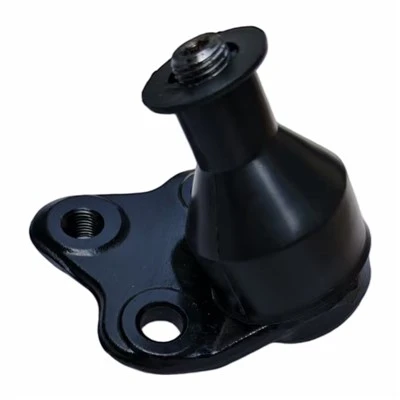
Ball Joints: Allow controlled articulation between connected suspension components.
Bushings: Reduce vibration and accommodate limited movement at mounting points.
Stabilizer Bars: Help reduce excessive body roll during cornering.
Although suspension designs vary between vehicle models, their fundamental purpose remains the same: to balance ride comfort, road holding, and handling performance.
How Does a Suspension System Work?
The working principle of a Suspension System involves managing the forces generated when a vehicle travels over uneven road surfaces.
When a wheel encounters a bump, the suspension spring compresses to accommodate the upward movement. As the wheel passes the obstacle, the spring releases stored energy and returns toward its original position.
Without proper damping, the spring could continue oscillating, causing excessive bouncing and reduced vehicle control.
Shock absorbers help solve this problem by converting suspension movement into heat through hydraulic resistance, controlling the speed of compression and rebound.
Meanwhile, control arms and other suspension links guide wheel movement along the intended path, helping maintain appropriate wheel alignment characteristics.
These components work together to keep the vehicle stable and improve tire contact with the road.
Key Functions of an Automotive Suspension System
A properly functioning Suspension System provides several important benefits.
Improved Ride Comfort
Suspension components reduce the transmission of road shocks and vibrations to the passenger compartment. This creates a smoother driving experience, particularly on uneven or damaged roads.
Enhanced Vehicle Stability
The suspension helps control body roll during cornering, pitch during braking and acceleration, and excessive vertical body movement.
Better Handling Performance
By controlling wheel movement and suspension geometry, the system contributes to predictable steering response and vehicle handling.
Maintained Tire Contact
Effective suspension performance helps tires remain in contact with the road, supporting traction, braking performance, and vehicle control.
Together, these functions make the suspension system essential for both everyday driving and demanding commercial vehicle applications.
2. Main Types of Suspension Systems and Their Applications
Different vehicles require different suspension configurations depending on their size, load capacity, driving conditions, and performance requirements.
Understanding the main types of suspension systems helps automotive buyers identify suitable products for different vehicle applications.
Independent Suspension System
An independent suspension system allows the wheels on the same axle to move largely independently of each other.
When one wheel encounters a bump, its movement has less direct influence on the opposite wheel compared with a dependent suspension design.
This configuration is widely used in modern passenger cars, SUVs, and performance-oriented vehicles.
Common independent suspension designs include:
MacPherson Strut Suspension
MacPherson strut suspension combines a structural strut assembly with suspension locating components, often including a lower control arm.
Its compact design, relatively low weight, and cost efficiency make it a popular choice for front suspension systems in passenger vehicles.
Double Wishbone Suspension
Double wishbone suspension typically uses upper and lower control arms to guide wheel movement.
This arrangement provides designers with greater flexibility in controlling wheel geometry during suspension travel.
It is commonly found in selected SUVs, premium vehicles, and performance-oriented applications.
Advantages of Independent Suspension
Improved isolation of road disturbances between opposite wheels.
Greater flexibility in suspension geometry design.
Potential for enhanced ride comfort and handling.
Suitable for a wide range of passenger vehicle applications.
However, independent suspension systems can involve more components and complex maintenance requirements, depending on their design.
Dependent Suspension System
A dependent suspension system connects the left and right wheels through a rigid axle or another mechanically linked arrangement.
With a solid axle, movement of one wheel influences the position or movement of the opposite wheel.
This type of suspension is commonly used in certain commercial trucks, heavy-duty vehicles, and off-road applications.
Advantages of Dependent Suspension
Robust construction suitable for demanding operating conditions.
Relatively straightforward axle design.
Good load-bearing potential when properly engineered.
Practical maintenance characteristics in many heavy-duty applications.
Limitations
Dependent suspension systems may have higher unsprung mass and can transmit more road disturbances between opposite wheels.
As a result, they may offer different ride comfort and handling characteristics compared with well-designed independent systems.
Semi-Independent Suspension System
A semi-independent suspension system combines characteristics of independent and dependent suspension designs.
One common example is the torsion beam rear suspension, which uses trailing arms connected by a crossmember that can twist under load.
This arrangement allows a degree of relative wheel movement while maintaining a mechanical connection between the two sides.
Advantages of Semi-Independent Suspension
Compact packaging.
Relatively simple construction.
Cost-effective manufacturing.
Suitable for many compact passenger vehicles.
Torsion beam suspension systems are frequently used in smaller passenger cars where packaging efficiency, cost, and performance must be balanced.
Comparison of Different Suspension System Types
|
Suspension Type |
Main Advantages |
Typical Applications |
|
Independent Suspension |
Ride comfort, wheel control, geometry flexibility |
Passenger cars, SUVs, performance vehicles |
|
Dependent Suspension |
Robust construction, heavy-duty suitability |
Commercial trucks, off-road vehicles |
|
Semi-Independent Suspension |
Compact packaging, cost efficiency |
Compact and economy passenger cars |
Which suspension system is best?
There is no single suspension design that is ideal for every vehicle.
Passenger cars may prioritize comfort and handling, while commercial vehicles often require durability and load-carrying capability.
For automotive parts buyers, the most important consideration is identifying the suspension configuration specified for the target vehicle rather than assuming one design is universally superior.
3. Essential Suspension System Components and Their Functions
A complete Suspension System relies on multiple components working together.
Understanding these suspension system components is particularly important for aftermarket distributors, repair businesses, and automotive parts importers.
Shock Absorbers and Struts
Shock absorbers are essential suspension components designed to control unwanted spring movement.
When a vehicle passes over a bump, the suspension spring compresses and rebounds. Shock absorbers regulate this movement through hydraulic damping.
Without effective damping, excessive bouncing could negatively affect vehicle stability, tire contact, and ride comfort.
Main Functions of Shock Absorbers
Control suspension compression and rebound.
Reduce excessive vehicle bouncing.
Support stable tire contact with the road.
Improve handling and ride comfort.
Struts perform damping functions but also serve as structural components in certain suspension configurations.
Unlike a conventional standalone shock absorber, a suspension strut may form part of the wheel-locating structure.
For replacement applications, buyers should verify the exact part design, mounting dimensions, and vehicle compatibility.
Coil Springs and Leaf Springs
Springs support vehicle weight and allow the suspension to respond to road irregularities.
Different suspension systems use different spring designs depending on vehicle requirements.
Coil Springs
Coil springs are widely used in passenger cars, SUVs, and light commercial vehicles.
They offer compact packaging and can be engineered for different load and ride characteristics.
Leaf Springs
Leaf springs consist of one or more spring elements arranged to support loads and allow controlled deflection.
They are commonly found in certain pickup trucks, commercial vehicles, and heavy-duty applications.
In some suspension configurations, leaf springs also contribute to axle location.
When choosing suspension springs, buyers should consider spring rate, load specifications, dimensions, and compatibility with the original suspension design.
Control Arms and Ball Joints
Control arms connect suspension components to the vehicle structure and guide wheel movement.
They help maintain the intended suspension geometry as the wheels move vertically.
Depending on the suspension design, a vehicle may use upper control arms, lower control arms, or multiple suspension links.
Ball joints provide articulated connections that allow movement between suspension components.
They are commonly used where suspension movement and steering articulation must be accommodated.
Common Signs of Wear
Knocking or clunking noises.
Excessive play in suspension joints.
Uneven tire wear.
Changes in steering feel.
Abnormal wheel alignment characteristics.
Worn control arms or ball joints can affect vehicle handling and safety. Suspected damage should be inspected by a qualified technician.
Suspension Bushings and Stabilizer Bars
Suspension bushings are flexible components commonly manufactured from rubber or other elastomeric materials.
They are installed at selected connection points to reduce vibration transmission and accommodate controlled movement.
As bushings age, they may crack, deform, or lose their intended mechanical properties.
This can result in unwanted movement, noise, or changes in suspension response.
Stabilizer Bars
A stabilizer bar, also known as an anti-roll bar or sway bar, connects suspension movement on opposite sides of an axle through a torsion element.
It resists differences in wheel movement associated with body roll during cornering.
Stabilizer bar links and bushings are also important service components because wear can lead to noise and reduced effectiveness.
Why Suspension Component Quality Matters
The quality of suspension system parts can directly influence vehicle performance, durability, and maintenance requirements.
Poorly manufactured components may suffer from dimensional inaccuracies, inadequate material properties, premature wear, or inconsistent performance.
For automotive aftermarket businesses, unreliable parts can lead to additional warranty claims, customer complaints, and higher replacement costs.
When evaluating suspension components, buyers should consider:
Material specifications and manufacturing consistency.
Dimensional accuracy and vehicle fitment.
Corrosion protection where applicable.
Fatigue resistance and durability.
Product inspection and testing documentation.
Supplier traceability and warranty procedures.
Reliable suspension components help support consistent vehicle performance and long-term customer satisfaction.
4. How to Choose the Right Suspension System Parts
Selecting the right Suspension System Parts requires more than comparing prices or product appearances.
For automotive parts importers, wholesalers, distributors, and repair businesses, the selection process should consider vehicle compatibility, product quality, operating conditions, supplier reliability, and long-term costs.
The following factors can help buyers make informed purchasing decisions.
Identify Vehicle Compatibility and OEM Specifications
Vehicle compatibility is one of the most important considerations when purchasing suspension components.
Even vehicles from the same manufacturer may use different suspension designs depending on their model year, engine configuration, drivetrain, trim level, and regional specifications.
Before ordering replacement parts, buyers should confirm:
Vehicle Make and Model: Identify the exact vehicle manufacturer and model.
Production Year: Verify the applicable production period and any relevant model changes.
OEM Part Number: Cross-reference the original equipment part number with the replacement product.
Installation Position: Confirm whether the part is intended for the front or rear axle and the left or right side.
Technical Specifications: Check dimensions, mounting points, spring characteristics, and other relevant parameters.
For large-volume orders, requesting detailed fitment catalogs and product drawings can help reduce ordering errors.
Vehicle Identification Numbers (VINs) may also support compatibility verification when suitable manufacturer or catalog data is available.
However, an OEM reference number alone should not replace a complete technical compatibility check.
Evaluate Material Quality and Durability
The durability of suspension components depends on their design, materials, manufacturing processes, and operating conditions.
Different suspension parts require different performance characteristics.
For example, control arms must provide adequate structural strength, while suspension bushings require suitable elasticity and resistance to environmental degradation.
Important quality considerations include:
Material Strength
Metal suspension components should use materials appropriate for their intended loads and mechanical requirements.
Corrosion Resistance
Protective coatings and appropriate materials can help reduce corrosion, especially in environments exposed to moisture, road salt, or harsh weather.
Fatigue Resistance
Suspension components experience repeated loading during normal driving. Appropriate fatigue testing can help evaluate their ability to withstand cyclic stresses.
Manufacturing Precision
Accurate dimensions and consistent manufacturing tolerances are essential for correct installation and suspension operation.
For international buyers, requesting material specifications, inspection reports, and relevant durability test results can provide additional confidence in product quality.
Compare OEM and Aftermarket Suspension Parts
Automotive buyers frequently choose between original equipment replacement parts and aftermarket alternatives.
Understanding these categories is important when developing a suspension parts purchasing strategy.
OEM and OE Parts
Original equipment terminology generally refers to parts associated with vehicle manufacturers or their original production supply chains. However, the precise meaning of OEM and OE can vary by supplier and market.
Buyers should verify whether a product is a genuine vehicle-manufacturer-branded part, an original-equipment supplier product, or another replacement product.
Aftermarket Suspension Parts
Aftermarket suspension parts are manufactured and distributed for vehicle maintenance, repair, or modification outside the original vehicle assembly process.
Their quality and performance vary depending on the manufacturer, product design, and intended application.
|
Purchasing Factor |
Genuine OE Parts |
Aftermarket Parts |
|
Vehicle Compatibility |
Designed for specified original applications |
Requires accurate application verification |
|
Product Range |
Primarily original replacement specifications |
May include OE-equivalent and performance alternatives |
|
Pricing |
Depends on brand and distribution channel |
Wide range of price options |
|
Availability |
Depends on manufacturer and distribution network |
Depends on supplier and market coverage |
|
Quality |
Subject to original manufacturer requirements |
Varies by manufacturer and product |
For wholesalers and distributors, aftermarket suspension components can provide opportunities to serve different customer segments and vehicle applications.
However, selecting a dependable supplier remains essential for maintaining consistent quality.
Check Supplier Quality Control and Product Testing
Supplier evaluation is a critical part of international suspension parts procurement.
A reliable automotive suspension parts supplier should be able to provide clear product specifications, consistent quality control, and appropriate technical documentation.
Buyers should consider the following areas.
Quality Management Systems
Ask whether the supplier maintains a relevant quality management system, such as ISO 9001 or IATF 16949, where applicable.
Verify certification validity, scope, and the facilities covered rather than relying solely on promotional claims.
Product Inspection
Review how the supplier controls product dimensions, surface quality, assembly accuracy, and manufacturing consistency.
Performance Testing
Depending on the product, relevant tests may include:
Fatigue and durability testing.
Corrosion resistance testing.
Load and deformation testing.
Shock absorber damping performance testing.
Rubber bushing performance evaluation.
Traceability
Product identification and batch traceability can help suppliers and distributors investigate quality issues and manage warranty claims.
Technical Support
Suppliers should ideally provide accurate catalogs, installation specifications, and assistance with compatibility questions.
For large purchasing programs, sample evaluation and independent product testing may be appropriate before confirming bulk orders.
Consider Pricing, MOQ, and Supply Chain Reliability
For international automotive parts buyers, procurement decisions should consider total purchasing costs rather than unit prices alone.
A low initial price may not represent the best value if products have inconsistent quality, long lead times, or high warranty claim rates.
Important purchasing factors include:
Minimum Order Quantity (MOQ)
Confirm minimum order quantities for individual part numbers and mixed-product orders.
Lead Time
Evaluate manufacturing schedules, inventory availability, and shipping arrangements.
Packaging
Suitable packaging helps protect suspension components from corrosion, impact damage, and handling problems during transportation.
Product Range
A supplier with a broad suspension parts catalog may help distributors consolidate purchasing requirements.
After-Sales Support
Clear warranty procedures, technical assistance, and responsive communication can support long-term business relationships.
For global importers and distributors, choosing a supplier that combines reliable quality, competitive pricing, and consistent delivery can contribute to more efficient inventory management and customer service.
5. Common Suspension System Problems and Maintenance Tips
Like other mechanical systems, an automotive Suspension System experiences wear over time.
Road conditions, vehicle loads, environmental exposure, and driving habits can influence the service life of suspension components.
Recognizing common suspension problems can help vehicle owners, repair professionals, and parts distributors identify maintenance needs.
Common Signs of Suspension System Failure
Several symptoms may indicate worn or damaged suspension components.
Excessive Vehicle Bouncing
If a vehicle continues bouncing after passing over bumps, worn shock absorbers or struts may be contributing to inadequate suspension damping.
Unusual Suspension Noises
Knocking, rattling, or clunking sounds may be associated with worn bushings, ball joints, stabilizer links, or mounting components.
Uneven Tire Wear
Certain irregular tire wear patterns can be associated with suspension wear or wheel alignment problems. Tire pressure, wheel balance, and other conditions may also contribute.
Poor Handling and Vehicle Instability
Excessive body movement, unpredictable steering response, or reduced stability may indicate problems requiring suspension and steering system inspection.
Abnormal Vehicle Ride Height
A vehicle sitting lower on one side may have a damaged spring or another suspension-related problem.
These symptoms are not exclusive to suspension faults. A qualified technician should inspect the vehicle to identify the actual cause.
Common Causes of Suspension Component Wear
Suspension system components operate under continuous mechanical stress.
Common factors contributing to wear include:
Rough Road Conditions: Repeated impacts from potholes and uneven surfaces can accelerate component deterioration.
Heavy Loads: Operating beyond the manufacturer's specified limits can place excessive stress on suspension parts.
Environmental Exposure: Moisture, salt, dirt, and temperature changes may affect metal and rubber components.
Natural Aging: Rubber bushings, seals, and other materials may deteriorate over time.
Improper Installation: Incorrect installation procedures or incompatible components can contribute to premature failure.
Understanding these factors can help automotive businesses recommend appropriate products for different driving environments.
Maintenance Tips to Extend Suspension System Life
Regular inspection and proper maintenance are important for maintaining suspension performance.
Recommended practices include:
Inspect Suspension Components Regularly
Follow the vehicle manufacturer's recommended inspection intervals and check for visible damage, corrosion, leaks, or excessive joint movement.
Monitor Tire Condition
Uneven tire wear may indicate alignment or suspension-related problems that require further investigation.
Check Wheel Alignment When Necessary
Wheel alignment should be evaluated when symptoms appear or when specified by the vehicle manufacturer's repair procedures.
Replace Damaged Components Promptly
Worn or damaged suspension components should be repaired or replaced using compatible parts and appropriate service procedures.
Avoid Overloading
Respecting the vehicle's specified load limits helps prevent unnecessary stress on suspension components.
Proper maintenance supports ride comfort, vehicle handling, and the service life of related automotive parts.
Frequently Asked Questions About Suspension Systems
What is a suspension system in a car?
A suspension system is a collection of components that supports the vehicle, controls wheel movement, and reduces the transmission of road shocks to the vehicle body. It plays an important role in ride comfort, handling, and stability.
What are the main components of a suspension system?
Common suspension system components include springs, shock absorbers, struts, control arms, ball joints, bushings, and stabilizer bars. The exact components depend on the vehicle's suspension design.
What are the different types of suspension systems?
The main structural categories are independent, dependent, and semi-independent suspension systems. Common designs include MacPherson struts, double wishbone suspension, solid axle suspension, and torsion beam suspension.
How do I know if my suspension system needs replacement?
Possible warning signs include excessive bouncing, unusual noises, uneven tire wear, abnormal ride height, and reduced handling stability. A professional inspection is necessary to determine which components require replacement.
What is the difference between OEM and aftermarket suspension parts?
OEM and OE terminology is associated with original equipment supply, while aftermarket parts are supplied for replacement or modification outside the original vehicle assembly process. Buyers should evaluate each product's fitment, specifications, quality, and supplier documentation rather than relying on the label alone.
How do I choose the right suspension parts for my vehicle?
Start by confirming the vehicle model, production year, configuration, installation position, and relevant OEM part references. Then compare technical specifications, product quality, and supplier documentation to ensure the replacement component is suitable for the intended application.
Conclusion: Choosing the Right Suspension System for Long-Term Performance
A reliable Suspension System is essential for maintaining vehicle comfort, stability, handling, and overall driving performance.
From independent and dependent suspension designs to essential components such as shock absorbers, springs, control arms, and bushings, every part contributes to the vehicle's suspension performance.
Understanding how these components function and interact helps vehicle owners and automotive professionals make better maintenance and replacement decisions.
For automotive parts importers, wholesalers, and distributors, selecting the right suspension system parts requires careful attention to vehicle compatibility, material quality, manufacturing consistency, and supplier reliability.
Working with a qualified suspension parts supplier can help businesses maintain product quality, manage purchasing costs, and meet the needs of customers across different automotive markets.
Looking for reliable Suspension System Parts for your business?
Explore our range of automotive suspension components and contact our team to discuss product specifications, vehicle compatibility, bulk purchasing requirements, and available supply options.