Introduction: Understanding the Global Market for Chery Auto Parts
As the global automotive industry continues to expand, the demand for reliable replacement components and aftermarket products is growing across international markets. Chery, one of China's established automotive manufacturers, has developed a diverse vehicle lineup serving customers in numerous countries. As more Chery vehicles enter international markets, the demand for dependable Chery Auto Parts is also increasing.
For automotive importers, distributors, wholesalers, and repair businesses, understanding the different types of Chery spare parts is essential for maintaining an efficient supply chain. Buyers need to consider more than just product prices. Compatibility, manufacturing quality, supplier reliability, delivery schedules, and after-sales support all influence purchasing decisions.
The Chery Auto Parts market covers a broad range of components, including engine parts, transmission systems, suspension components, brake assemblies, electrical equipment, and exterior body parts. These products serve different maintenance, repair, and replacement requirements across various Chery models.
However, selecting the correct components requires careful attention to vehicle specifications, production years, OEM part numbers, and regional model variations. Choosing incompatible or low-quality parts can lead to installation problems, additional maintenance expenses, and customer dissatisfaction.
This guide explores the major categories of Chery Auto Parts, explains how to identify compatible components, examines important quality considerations, and provides practical wholesale sourcing strategies for international buyers.
1. Main Types of Chery Auto Parts: Understanding Product Categories
Chery vehicles contain numerous mechanical, electrical, and structural components that work together to ensure reliable performance. Understanding these product categories helps buyers develop a suitable purchasing strategy and select products according to their customers' needs.
Engine and Powertrain Components
Engine and powertrain components are among the most important categories of Chery Auto Parts. They directly influence vehicle performance, fuel efficiency, and overall operating reliability.
Common engine components include:
Engine assemblies and cylinder heads
Pistons, piston rings, and connecting rods
Intake and exhaust valves
Oil pumps and water pumps
Timing belts, timing chains, and tensioners
Air filters, oil filters, and fuel filters
Turbochargers and related components
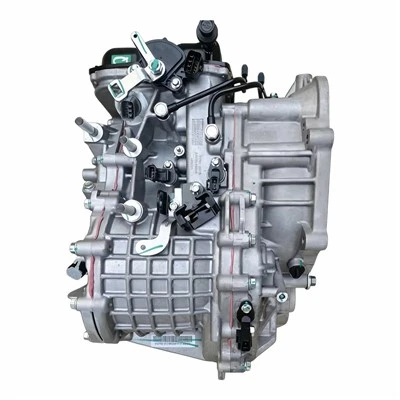
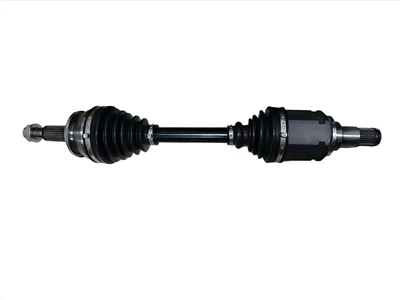
Powertrain parts also include transmission assemblies, clutch components, drive shafts, and other drivetrain accessories.
For wholesale buyers, engine components often represent an important product category because they are associated with routine maintenance and mechanical repairs. Stocking commonly requested filters, belts, pumps, and replacement components can help distributors serve automotive repair shops more efficiently.
When purchasing engine parts, buyers should verify engine codes, displacement, production year, and OEM part numbers. Components that appear similar may have different specifications depending on the vehicle configuration.
Suspension and Steering System Parts
Suspension and steering systems are responsible for vehicle stability, handling, and driving comfort. These components experience continuous mechanical stress, making them important replacement products in the automotive aftermarket.
Common Chery suspension and steering parts include:
Shock absorbers and struts
Control arms
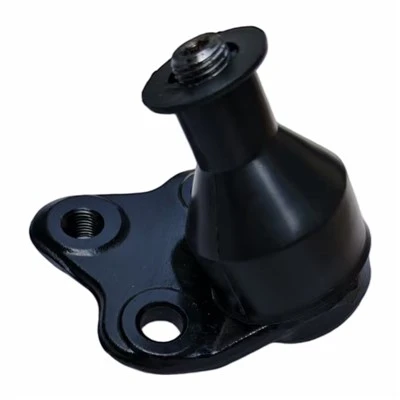
Ball joints
Stabilizer links
Suspension bushings
Steering racks
Tie rod ends
Wheel hub bearings
The replacement demand for these components can vary depending on road conditions, driving habits, vehicle age, and maintenance practices.
For distributors serving regions with challenging road conditions, suspension components may represent an important inventory category.
Buyers should pay particular attention to material strength, dimensional accuracy, corrosion resistance, and installation compatibility. Reliable suspension and steering components help maintain vehicle control and reduce premature wear.
Brake System Components
Brake system components are essential safety-related products in the Chery Auto Parts market. Their performance directly affects stopping distance, braking stability, and overall driving safety.
Typical brake components include:
Brake pads
Brake discs and rotors
Brake calipers
Brake master cylinders
Brake boosters
Brake hoses
ABS sensors
Wheel speed sensors
Brake pads and discs are commonly replaced during regular vehicle maintenance, making them relevant products for automotive wholesalers and repair networks.
When evaluating brake components, buyers should consider friction performance, thermal stability, wear resistance, material consistency, and compliance with applicable market requirements.
Because braking systems are safety-critical, purchasing decisions should prioritize verified product quality and correct vehicle fitment rather than focusing exclusively on low prices.
Electrical and Electronic Components
Modern Chery vehicles rely on increasingly sophisticated electrical and electronic systems to control engine operation, vehicle safety, lighting, comfort, and driver assistance functions.
Common electrical and electronic Chery Auto Parts include:
Alternators and starters
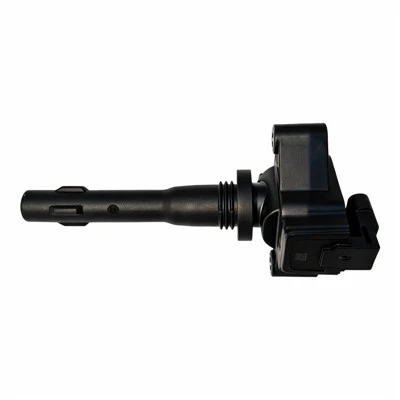
Ignition coils and spark plugs
Sensors and wiring harnesses
Engine control modules
Electronic control units
Automotive relays and switches
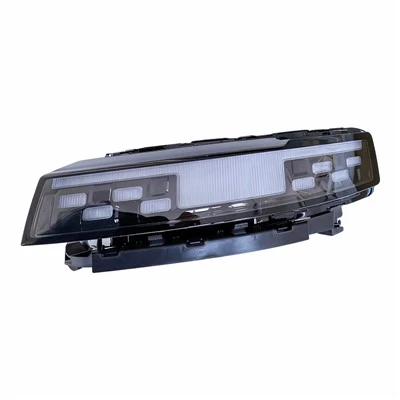
Headlights and taillights
Window regulators and electrical accessories
Electronic components require particularly careful compatibility checks. Different vehicle configurations may use different sensors, connectors, communication protocols, or software versions.
For wholesale buyers, it is important to confirm connector designs, operating voltage, electrical specifications, and applicable part numbers before placing bulk orders.
Working with suppliers that provide accurate technical documentation can help reduce incorrect purchases and unnecessary returns.
Body Parts and Interior Accessories
Body parts and interior accessories are another important category of Chery Auto Parts. These products are frequently required for accident repairs, vehicle refurbishment, and cosmetic maintenance.
Common exterior components include:
Front and rear bumpers
Headlights and taillights
Fenders and doors
Hoods and grilles
Side mirrors
Radiator supports
Exterior trim components
Interior components may include:
Dashboard assemblies
Seat components
Door panels
Interior handles
Center consoles
Floor mats and trim accessories
For these products, buyers should evaluate dimensions, mounting positions, material quality, surface finishing, and color consistency.
Body parts also require suitable packaging to prevent scratches, deformation, and transportation damage during international shipping.
Chery Auto Parts Compatibility: How to Choose the Right Parts
Compatibility is one of the most important considerations when purchasing Chery Auto Parts. Even when two components look identical, differences in vehicle specifications can affect their installation and performance.
Understanding Different Chery Vehicle Models
Chery offers multiple vehicle models and configurations for different consumer segments and international markets. Each model may have different engine options, transmission systems, equipment packages, and production specifications.
For example, components designed for a Chery Tiggo model may not automatically fit another Tiggo variant. Differences can exist between production years, engine configurations, and regional specifications.
Before purchasing, buyers should confirm:
Exact vehicle model
Manufacturing year
Engine type and displacement
Transmission configuration
Vehicle generation or facelift version
Destination market specifications
Understanding these differences helps wholesalers maintain more accurate inventories and reduces the risk of supplying incorrect replacement parts.
Using VIN Numbers and OEM Part Numbers for Identification
The Vehicle Identification Number (VIN) is an important tool for identifying vehicle specifications. It provides information that can help determine the vehicle's production details and configuration.
OEM part numbers are equally important when identifying individual components.
Each OEM part number is associated with a particular component specification. Buyers can use these numbers to compare replacement products and confirm whether a component is suitable for a specific vehicle.
A practical identification process includes:
Obtain the vehicle's VIN and relevant specifications.
Identify the required component through an appropriate parts catalog.
Confirm the original OEM part number.
Compare the supplier's replacement part number.
Verify dimensions, connectors, mounting positions, and technical specifications.
Request confirmation from the supplier before ordering large quantities.
For international buyers, using VIN information and OEM part numbers together is a reliable way to reduce compatibility errors.
OEM vs. Aftermarket Chery Auto Parts
When sourcing Chery Auto Parts, buyers generally encounter two major product categories: OEM parts and aftermarket parts.
OEM Parts
OEM refers to original equipment manufacturer parts produced by the original manufacturer or an approved production source, depending on the specific supply arrangement.
These parts are generally associated with original vehicle specifications and may be preferred by customers who prioritize original replacement components.
Aftermarket Parts
Aftermarket parts are manufactured by independent automotive component suppliers. They provide alternative replacement options and may offer different price points, specifications, and product selections.
For wholesalers and distributors, aftermarket products can provide additional sourcing flexibility and support different customer budgets.
The following table highlights their general differences:
|
Comparison Factor |
OEM Parts |
Aftermarket Parts |
|
Product positioning |
Original specification |
Alternative replacement |
|
Price |
Often higher |
Varies by manufacturer |
|
Availability |
Depends on authorized channels |
Depends on supplier network |
|
Product selection |
Original catalog coverage |
Varies by supplier |
|
Quality |
Depends on manufacturing and authenticity |
Varies by manufacturer |
|
Target customers |
Original-part focused buyers |
Different budget segments |
It is important to remember that aftermarket products are not automatically inferior to OEM parts. Their quality depends on engineering, materials, manufacturing processes, and quality control.
Buyers should evaluate actual product performance and supplier documentation rather than relying on product labels alone.
Common Compatibility Issues and How to Avoid Them
Incorrect compatibility is a common challenge in international automotive parts purchasing.
Some common problems include:
Ordering parts for the wrong production year.
Confusing different engine configurations.
Selecting components with incompatible connectors.
Overlooking regional vehicle specification differences.
Using outdated OEM part number information.
Relying only on product photographs or general descriptions.
To avoid these problems, buyers should establish a standardized compatibility verification process.
Request detailed product catalogs, technical specifications, OEM cross-reference numbers, and fitment information from suppliers. For high-value or technically complex components, sample testing and professional installation verification are also recommended.
3. Quality Standards and Inspection: What Global Buyers Should Know
Product quality directly affects vehicle safety, operating performance, customer satisfaction, and long-term business profitability. For companies purchasing Chery Auto Parts in bulk, a structured quality management process is essential.
3.1 Key Factors That Determine Chery Auto Parts Quality
Several factors influence the quality and reliability of automotive components.
Raw Materials
Material selection affects product strength, durability, corrosion resistance, and operating performance. Buyers should pay attention to material specifications and supplier quality documentation.
Manufacturing Precision
Accurate dimensions and consistent manufacturing tolerances are important for proper installation and reliable operation.
Components with poor dimensional accuracy may create installation difficulties or premature mechanical wear.
Product Durability
Automotive parts must withstand vibration, temperature changes, friction, pressure, and other operating conditions.
Durability testing helps determine whether products can perform consistently under their intended applications.
Production Consistency
For wholesale orders, maintaining consistent quality across different production batches is especially important.
Buyers should evaluate whether suppliers have documented production procedures, inspection records, and batch traceability systems.
OEM Quality, Aftermarket Quality, and Industry Standards
OEM and aftermarket products may follow different manufacturing and quality management arrangements.
OEM-related products are generally developed according to original equipment specifications. Aftermarket products may be designed to meet equivalent or alternative technical requirements.
International buyers should review relevant quality management systems and product-specific compliance documentation.
ISO 9001 is a widely recognized quality management system standard that helps organizations establish consistent quality management processes.
For automotive manufacturers and suppliers, IATF 16949 is another important automotive quality management standard.
However, certification of a management system does not automatically guarantee that every individual product meets the required specifications. Buyers should also request product test reports, inspection records, and applicable conformity documentation.
Quality Inspection and Testing Procedures
Before purchasing large quantities of Chery Auto Parts, buyers should understand the supplier's inspection procedures.
A comprehensive quality inspection process may include the following stages:
Raw Material Inspection
Check incoming materials against approved specifications to ensure consistency and suitability for production.
Dimensional Inspection
Use appropriate measuring equipment to verify product dimensions, tolerances, and mounting specifications.
Visual Inspection
Examine product surfaces, finishing, welding, coating, and overall workmanship.
Functional Testing
Test relevant product functions to verify that components operate according to their technical requirements.
Performance and Durability Testing
Depending on the product category, conduct wear, vibration, temperature, pressure, or other application-specific tests.
Pre-Shipment Inspection
Inspect finished products, quantities, labels, packaging, and documentation before shipment.
For large wholesale orders, buyers may also arrange independent third-party inspections to obtain additional quality assurance.
Packaging, Warranty, and After-Sales Support
Packaging is an important part of international Chery Auto Parts sourcing.
Automotive components may travel long distances and pass through multiple handling and transportation stages. Poor packaging can result in corrosion, deformation, scratches, or missing accessories.
Reliable suppliers should provide packaging suitable for the product's size, weight, material, and transportation requirements.
Buyers should also clarify:
Product warranty periods
Defective product handling procedures
Replacement and return policies
Batch identification and traceability
Technical support availability
After-sales response times
A clear warranty agreement and responsive after-sales service can help distributors protect their reputation and maintain customer confidence.
4. Wholesale Sourcing of Chery Auto Parts: Finding Reliable Suppliers
For international automotive distributors and importers, selecting the right supplier is just as important as selecting the right products.
A dependable supply partner can help maintain inventory stability, improve purchasing efficiency, and support long-term business development.
Where to Source Chery Auto Parts for Wholesale Purchasing
There are several sourcing channels available to international buyers.
Authorized Parts Distributors
Authorized channels may provide genuine replacement parts and access to original product information. They are suitable for buyers who prioritize original components and verified distribution channels.
Automotive Parts Manufacturers
Direct sourcing from manufacturers can provide access to broader product selections, technical information, and potential bulk purchasing arrangements.
However, buyers should verify manufacturing capabilities, product authenticity claims, quality management systems, and export experience.
Independent Aftermarket Suppliers
Independent manufacturers offer alternative replacement products for different vehicle models and customer requirements.
This channel may provide greater flexibility in pricing, product development, and customized purchasing arrangements.
International Wholesale Distributors
Established distributors can provide access to multiple product categories and simplify sourcing for buyers who prefer consolidated orders.
When selecting a sourcing channel, buyers should consider product authenticity, purchasing volume, budget, lead time, and technical support requirements.
How to Evaluate a Reliable Chery Auto Parts Supplier
Supplier evaluation should involve more than comparing quotations.
A reliable supplier should demonstrate consistent product quality, professional communication, accurate fitment information, and dependable delivery performance.
Important evaluation factors include:
Product Range
Check whether the supplier offers the Chery Auto Parts categories required by your business, including engine components, brake parts, suspension systems, electrical components, and body parts.
Technical Knowledge
A knowledgeable supplier should be able to provide OEM references, product specifications, vehicle compatibility information, and installation-related documentation where applicable.
Quality Management
Review the supplier's manufacturing processes, inspection procedures, certification documents, and product testing capabilities.
Production and Inventory Capacity
Confirm whether the supplier can handle both regular orders and larger wholesale requirements.
Export Experience
International buyers should consider the supplier's experience with export packaging, shipping documents, customs requirements, and overseas customer service.
Communication and After-Sales Support
Fast responses, clear quotations, transparent order updates, and effective complaint handling are important indicators of professional supplier management.
Before entering a long-term purchasing agreement, buyers should request samples, verify relevant documents, and conduct a small trial order when practical.
Understanding Wholesale Pricing, MOQ, and Bulk Orders
Wholesale pricing is influenced by several factors, including product materials, manufacturing complexity, order quantities, packaging requirements, and supplier operating costs.
Minimum Order Quantity (MOQ) is another important purchasing consideration.
Some suppliers require minimum quantities for individual products, while others may allow mixed orders across different product categories.
For importers and distributors, it is important to understand how MOQ requirements affect inventory investment and cash flow.
Several strategies can help improve purchasing efficiency:
Compare quotations from multiple qualified suppliers.
Evaluate total landed cost rather than unit price alone.
Prioritize fast-moving replacement components.
Combine compatible product categories where suppliers permit.
Negotiate pricing based on realistic long-term purchasing volumes.
Confirm production lead times before making commitments.
The lowest quotation is not necessarily the most economical option. Product defects, delayed shipments, incorrect fitment, and after-sales claims can significantly increase the actual cost of procurement.
International Shipping, Logistics, and Import Considerations
International sourcing requires careful coordination of transportation, customs documentation, and delivery schedules.
Common shipping methods include:
Sea Freight
Sea freight is generally suitable for larger wholesale orders and shipments with less urgent delivery requirements. It can help reduce transportation costs per unit when shipping substantial volumes.
Air Freight
Air freight is suitable for urgent replacement components, high-value products, or smaller shipments requiring faster delivery.
International Express
Express services are often used for samples, small orders, and urgent spare parts.
Before shipment, buyers should confirm the following:
Commercial invoice
Packing list
Bill of lading or air waybill
Correct HS codes
Country-of-origin documentation where required
Applicable certificates and import permits
Customs duties and taxes
Import regulations differ between countries and product categories. Buyers should check local requirements before placing orders, particularly for safety-related automotive components and electronic products.
Building a Long-Term Chery Auto Parts Supply Chain
Long-term supplier relationships can provide significant advantages for automotive wholesalers and distributors.
Instead of relying entirely on individual transactions, businesses should establish structured purchasing and supplier management systems.
A practical strategy includes:
Developing a Standardized Product Catalog
Maintain accurate records of OEM numbers, product specifications, compatible vehicle models, purchasing prices, and supplier information.
Optimizing Inventory Management
Analyze historical sales data to identify high-demand components and establish appropriate reorder levels.
Establishing Supplier Performance Metrics
Monitor product defect rates, on-time delivery, order accuracy, quotation response times, and after-sales performance.
Maintaining Multiple Sourcing Options
For critical product categories, developing alternative qualified suppliers can reduce the risk of supply interruptions.
Improving Market Responsiveness
Regularly review customer demand, vehicle population trends, and product sales performance to adjust purchasing plans.
A well-managed sourcing system allows businesses to improve inventory turnover, reduce unnecessary purchasing costs, and build a more competitive automotive parts distribution operation.
Conclusion: Making Smarter Decisions When Buying Chery Auto Parts
The global market for Chery Auto Parts offers opportunities for automotive importers, wholesalers, distributors, and repair businesses. As the international presence of Chery vehicles expands, the need for dependable replacement components and aftermarket products remains an important part of the automotive service industry.
Successful sourcing requires a comprehensive understanding of different product categories, including engine components, suspension systems, brake parts, electrical equipment, and body accessories. Buyers must also verify vehicle compatibility through VIN information, OEM part numbers, and detailed technical specifications.
Quality assurance is equally important. Evaluating raw materials, manufacturing precision, product testing, supplier certifications, packaging, and warranty policies can help reduce purchasing risks and improve customer satisfaction.
For wholesale buyers, selecting a reliable Chery Auto Parts supplier involves more than comparing prices. Production capacity, product coverage, MOQ requirements, delivery performance, export experience, and after-sales support should all be considered.
By combining accurate product identification, systematic quality evaluation, and strategic supplier management, international buyers can build a more stable and cost-effective automotive parts supply chain.
Whether you are an automotive importer, spare parts wholesaler, regional distributor, or repair business, understanding the Chery Auto Parts market is an important step toward making informed purchasing decisions and developing long-term business opportunities.